


Description
Key Features of a 20 Foot Flat Rack Shipping Container
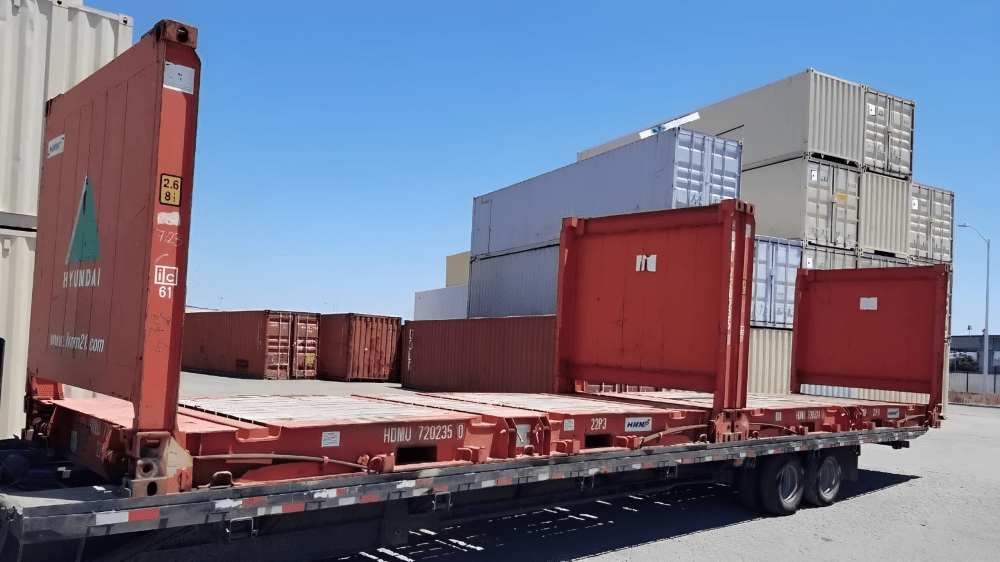
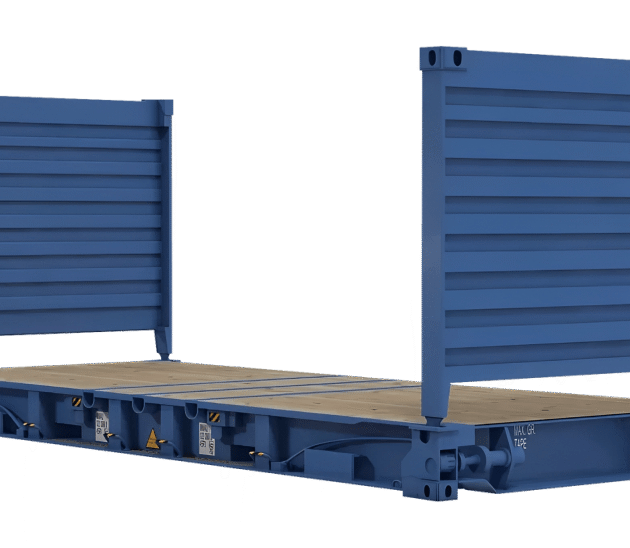
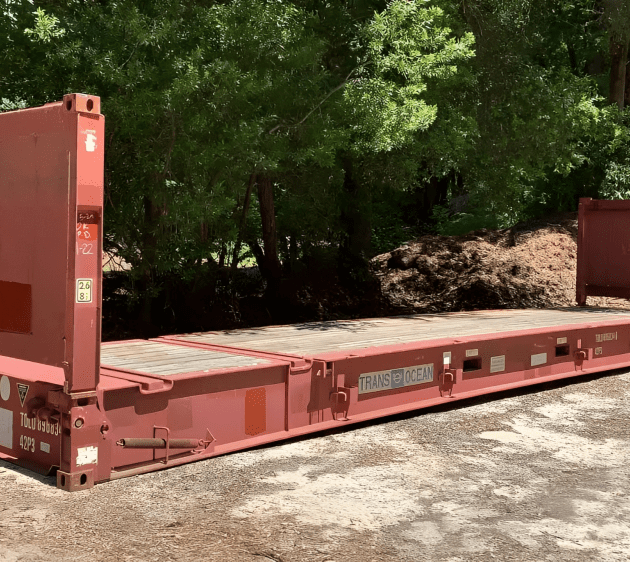
A 20 foot flat rack shipping container is engineered specifically for heavy, concentrated loads and irregular shapes. Common structural and functional features include:
-
Heavy-duty floor – Reinforced timber or steel deck designed to handle high point loads from machinery, steel coils, and heavy equipment.
-
Fixed or collapsible end walls – Strong end frames to support and secure cargo, with some models offering folding ends for compact stacking when empty.
-
Lashing rings and sockets – Numerous high-strength lashing points along the floor and side rails used to secure cargo with chains and straps.
-
ISO corner castings – Standard fittings so the flat rack can be lifted, stacked, and secured using conventional container handling equipment.
-
Forklift pockets (on some designs) – Allow safe lifting and repositioning of the flat rack in depots and yards.
These features make the 20ft flat rack container a versatile platform for transporting challenging cargo while still integrating smoothly into regular container shipping networks.
Common Uses for a 20 Foot Flat Rack Shipping Container
The 20 foot flat rack shipping container is widely used in industries where heavy and oversized cargo is common. It is particularly suited to loads that are too wide, too tall, or too irregular for standard dry containers.
Typical Applications Include:
-
Heavy machinery and equipment – Engines, generators, pumps, presses, and industrial machines that require open-side or top loading.
-
Construction materials – Steel beams, pipes, prefabricated sections, concrete elements, and structural frames.
-
Vehicles and equipment – Tractors, loaders, excavator parts, and specialized vehicles that cannot be easily driven into a standard container.
-
Project and breakbulk cargo – Energy, mining, and infrastructure components that need robust support and flexible lashing options.
-
Tanks and reels – Large tanks, cable reels, and drums that need strong lashing points and open-side loading with cranes.
Because of its shorter length, a 20 foot flat rack shipping container is especially useful for medium-sized heavy items where a 40ft flat rack would be under-utilized or harder to maneuver.
Benefits of a 20 Foot Flat Rack vs Other Containers
Choosing a 20 foot flat rack shipping container over other container types offers several advantages when dealing with heavy, out-of-gauge cargo:
-
High payload for compact length – Excellent balance between size and payload, ideal for dense cargo that does not need 40ft of deck space.
-
Flexible loading options – Open sides and top allow side-loading and lifting by crane directly onto the deck.
-
Better for awkward shapes – Accommodates irregularly shaped equipment that extends beyond normal container width or height limits.
-
Integrated into container networks – Can be transported on standard container ships, rail wagons, and trucks.
Compared with an open top container, a 20ft flat rack container is usually superior for very heavy and over-width items, while open tops remain better for tall but relatively regular loads that still need side walls and a removable roof.
20 Foot Flat Rack vs 40 Foot Flat Rack
When planning project cargo, shippers often choose between a 20 foot flat rack shipping container and a 40ft flat rack. The best choice depends on cargo length, weight, and handling requirements.
| Feature | 20 Foot Flat Rack Container | 40 Foot Flat Rack Container |
|---|---|---|
| Internal length | About 5.7–5.94 m (18.7–19.5 ft) | About 12.13 m (39.8 ft) |
| Internal width | About 2.35 m (7.7 ft) | About 2.40 m (7.9 ft) |
| Typical tare weight | Around 2,360–2,900 kg | Around 5,000 kg |
| Typical payload | About 27–30 t, some models up to ~42 t | About 40 t depending on model |
| Best for | Medium-sized heavy cargo, compact project loads | Longer machinery, large structures, big vehicles |
If your cargo length is under about 6 m and very dense, a 20 foot flat rack shipping container often offers an efficient and cost-effective solution.
Loading, Lashing, and Safety Considerations
Because a 20 foot flat rack shipping container is essentially a robust platform with end frames, correct loading and securing practices are vital for safety and compliance.
Key Safety and Loading Tips:
-
Distribute weight evenly across the deck to avoid overloading one side or axle group.
-
Keep the center of gravity as low as possible for stability during lifting and transport.
-
Use chains, turnbuckles, and straps rated for the cargo weight and sea transport forces.
-
Secure cargo to designated lashing rings only.
-
Follow carrier and IMO cargo securing manuals for out-of-gauge shipments.
Poorly distributed or insufficiently lashed loads can shift and damage both cargo and vessel, leading to costly claims and delays.
Regulations and Transport Compliance
Shipping a 20 foot flat rack container with over-width or over-height cargo requires compliance with international and local regulations.
-
Ocean carriers impose limits on overhang, weight distribution, and total height.
-
Port authorities may require special permits for oversized cargo.
-
Road transport often requires escort vehicles or route surveys.
-
Cargo must comply with the IMO Code of Safe Practice for Cargo Stowage and Securing (CSS Code).
Always confirm restrictions with your carrier and freight forwarder before finalizing load dimensions.
How Much Does a 20 Foot Flat Rack Container Cost?
The price of a 20 foot flat rack shipping container varies depending on condition, certification, and market availability.
Typical Price Ranges:
-
New: higher cost due to certification and structural integrity
-
Used: lower cost but must be inspected for deck condition and end-wall strength
Freight rates are usually higher than standard dry containers due to special handling, lashing, and stowage requirements.
Frequently Asked Questions (FAQs)
What is the maximum payload of a 20 foot flat rack container?
Most 20ft flat racks are rated for 27–30 tonnes, with some heavy-duty designs rated up to about 42 tonnes.
Can cargo overhang the sides of a flat rack?
Yes, within carrier limits. Over-width and over-height cargo must be approved by the shipping line.
Is a flat rack better than an open top container?
For very heavy or over-width cargo, yes. Open tops are better for tall but regular-shaped cargo.
Reviews
There are no reviews yet.